Skip the big cosmetic projects. Fix what is broken or unsafe, clear any open city violations, and disclose what you know before you sell your home.
That matters more in Brooklyn than almost anywhere. The typical house sold in Midwood this year was built in 1925, and every one of the 327 one to three family houses sold in Midwood, Madison and Marine Park was built before 1978.
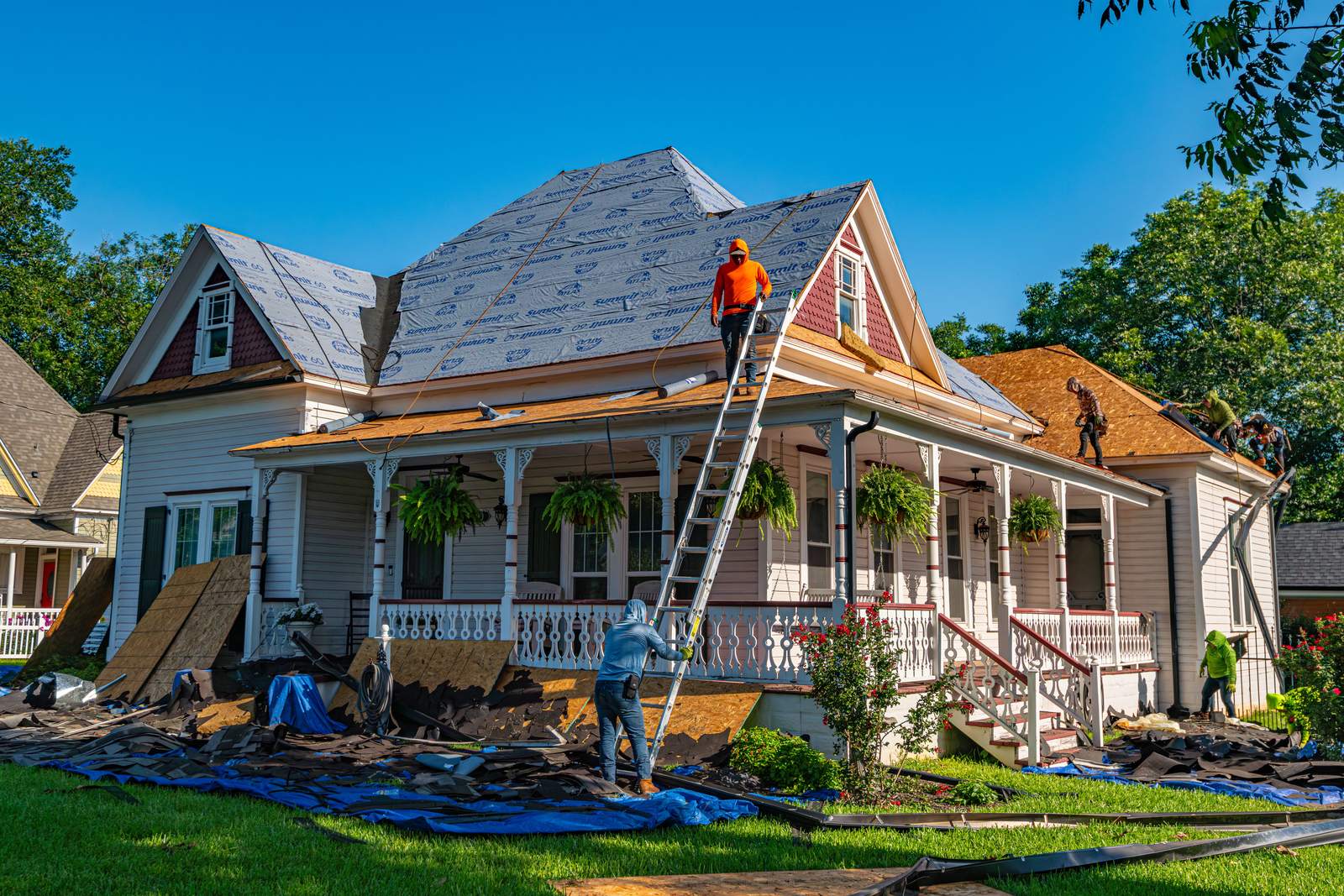
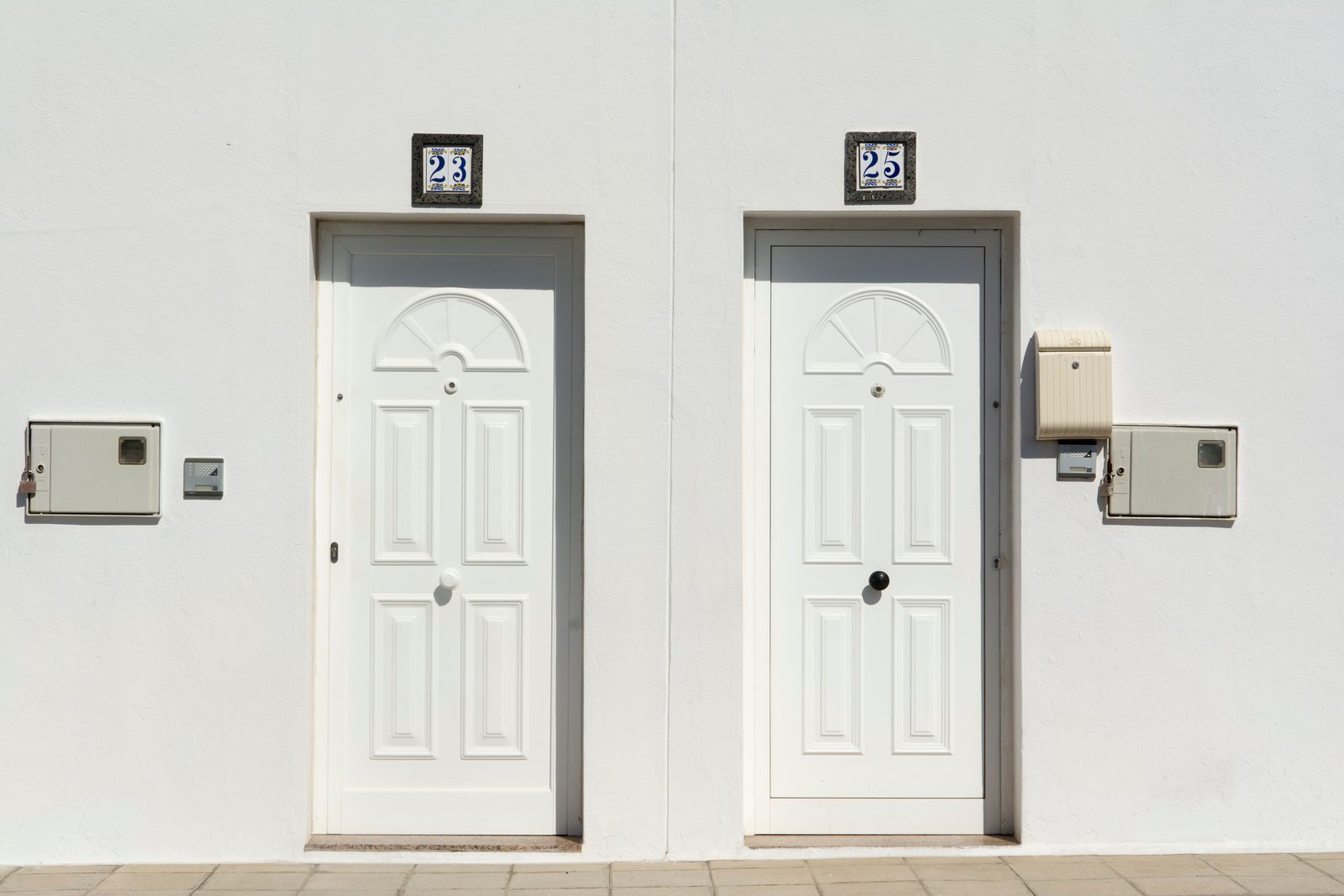
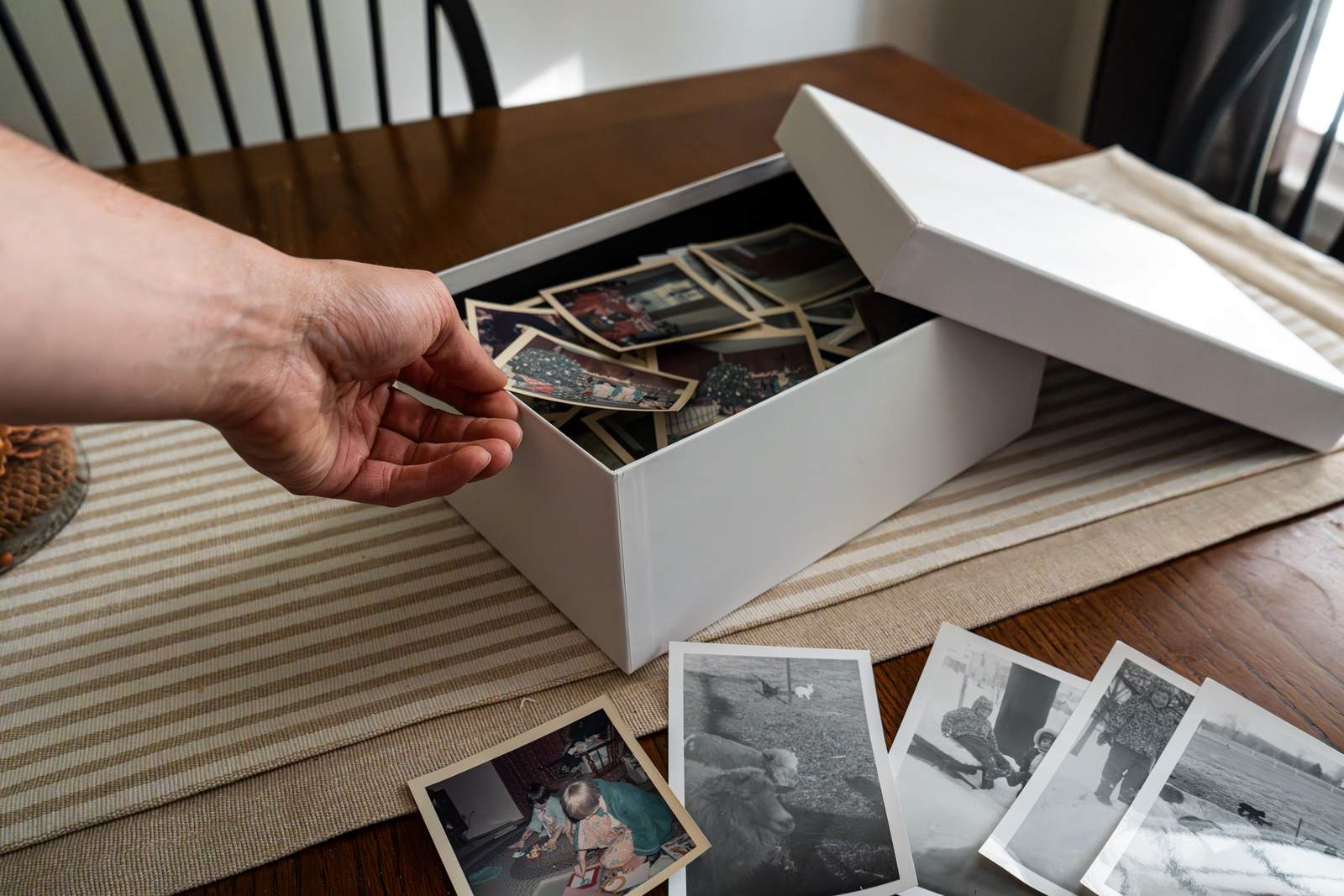
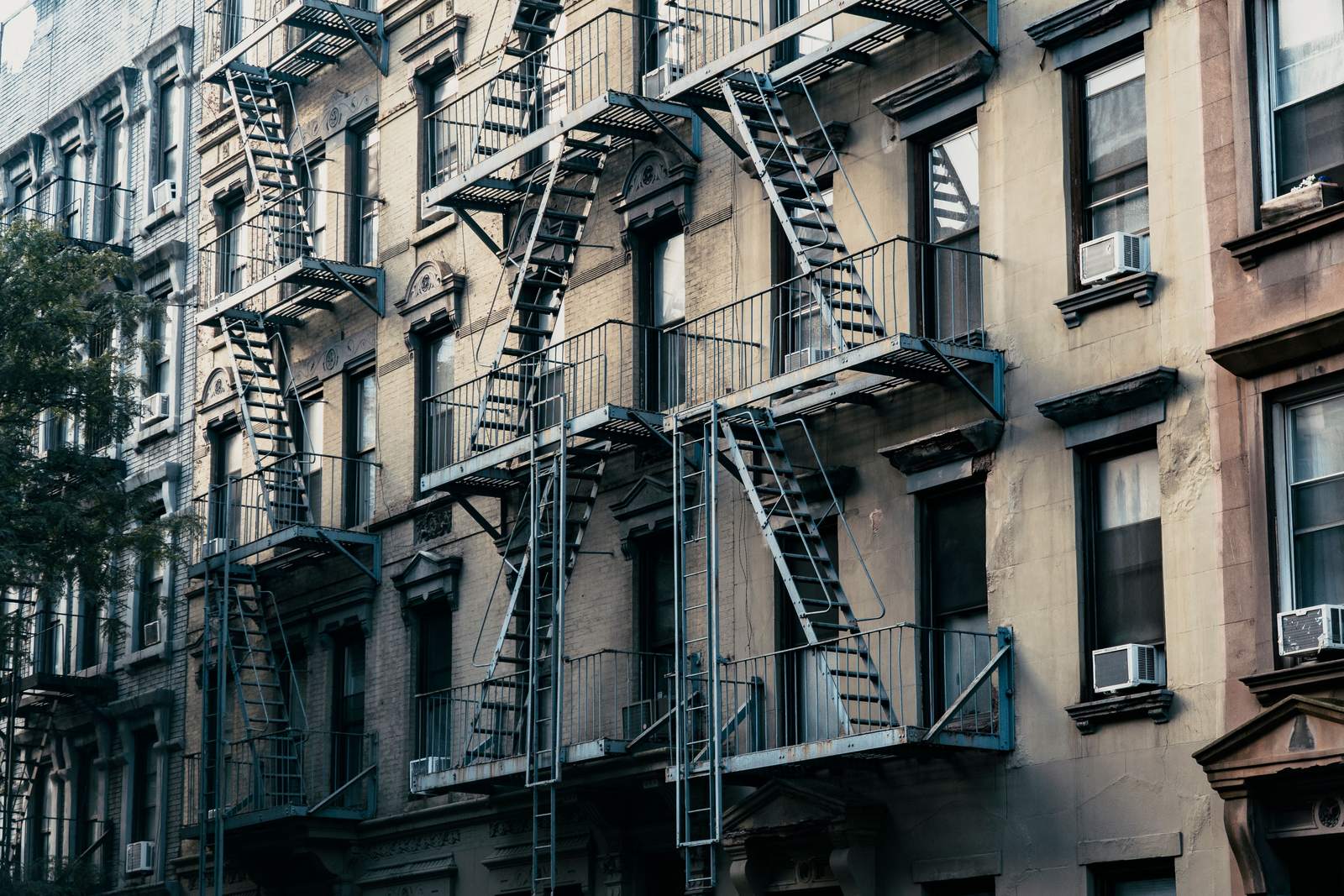
Stock photos of repairs on older homes. Photos: Curtis Adams, Ivan S, Ryan Stephens, Tam Ming, Đỗ Huy Hoàng on Pexels.
The short version
- Don’t fix: kitchens and baths you would redo to your own taste, floors that are worn but sound, working appliances, a finished basement, landscaping.
- Do fix: active leaks, heat that does not work, safety hazards, and anything the Department of Buildings has written up.
- Always disclose: what you know about the house. New York sellers must now fill out the disclosure form. The old $500 way out ended on March 20, 2024.
- Cheap wins: paint, a new front door and decluttering. Realtors rank paint first.
On this page
Your Brooklyn house is probably about a hundred years old
We pulled every one to three family house that sold in Midwood, Madison and Marine Park this year from the city’s sales records, along with the year each one was built. The pattern is plain. These are old houses.
Share of houses sold in 2026 that were built before 1940
One to three family houses sold January 1 to September 30, 2026, by the year the city records them as built.
NYC Department of Finance rolling sales, Brooklyn, file dated October 13, 2026. Typical year is the median.
Two things follow from that. First, an inspector will find something. Every house this age has a list, and new owners expect one. Second, every one of these houses falls under the federal lead paint disclosure rule for homes built before 1978, whether or not anyone ever found lead in it.
So the goal is not a perfect house. It is a house with no surprises: the big problems handled or priced in, and the rest written down.
What not to fix when selling a house: cosmetic upgrades and big renovations
People who buy older Brooklyn houses usually plan to make the place their own. Money you spend on taste is money the new owners may tear out. Think of every project as an investment, and ask what return on investment it brings at the home sale. These are the projects to leave alone.
A big kitchen or bathroom renovation
A full renovation takes months and rarely matches the next owner’s plans. If you were not going to renovate for yourself, don’t do it to sell. A small refresh is different. In the 2025 Cost vs. Value report for the Middle Atlantic region, Realtors estimated that a minor midrange kitchen remodel adds back 107.2% of its cost at resale. A refresh can pay. A gut job usually does not, and it is easy to go overboard once the walls are open.
Finishing the basement
The same report put a basement remodel at 63.4% of its cost back. In Brooklyn there is a second problem: turning a cellar into living space without city approval is an illegal conversion. More on that below.
A roof that is old but not leaking
A new asphalt roof in the Middle Atlantic region cost $37,201 in the report, with $21,680 estimated back at resale. That is 58.3%. If the roof is old and dry, disclose its age and let the market price it. If it leaks, that is a different story.
Floors, fixtures and finishes that are worn but working
Scuffed hardwood, dated light fixtures and old tile are normal wear and tear in a house this age, and people touring it expect them. Clean them. Don’t replace them.
New appliances and trendy finishes
A new dishwasher, a matching appliance set or this year’s trendy tile will not change what most people pay for an old Brooklyn house. If an appliance works and is clean, leave it. Spending money on finishes you picked for someone else is the easiest way to lose money before a sale.
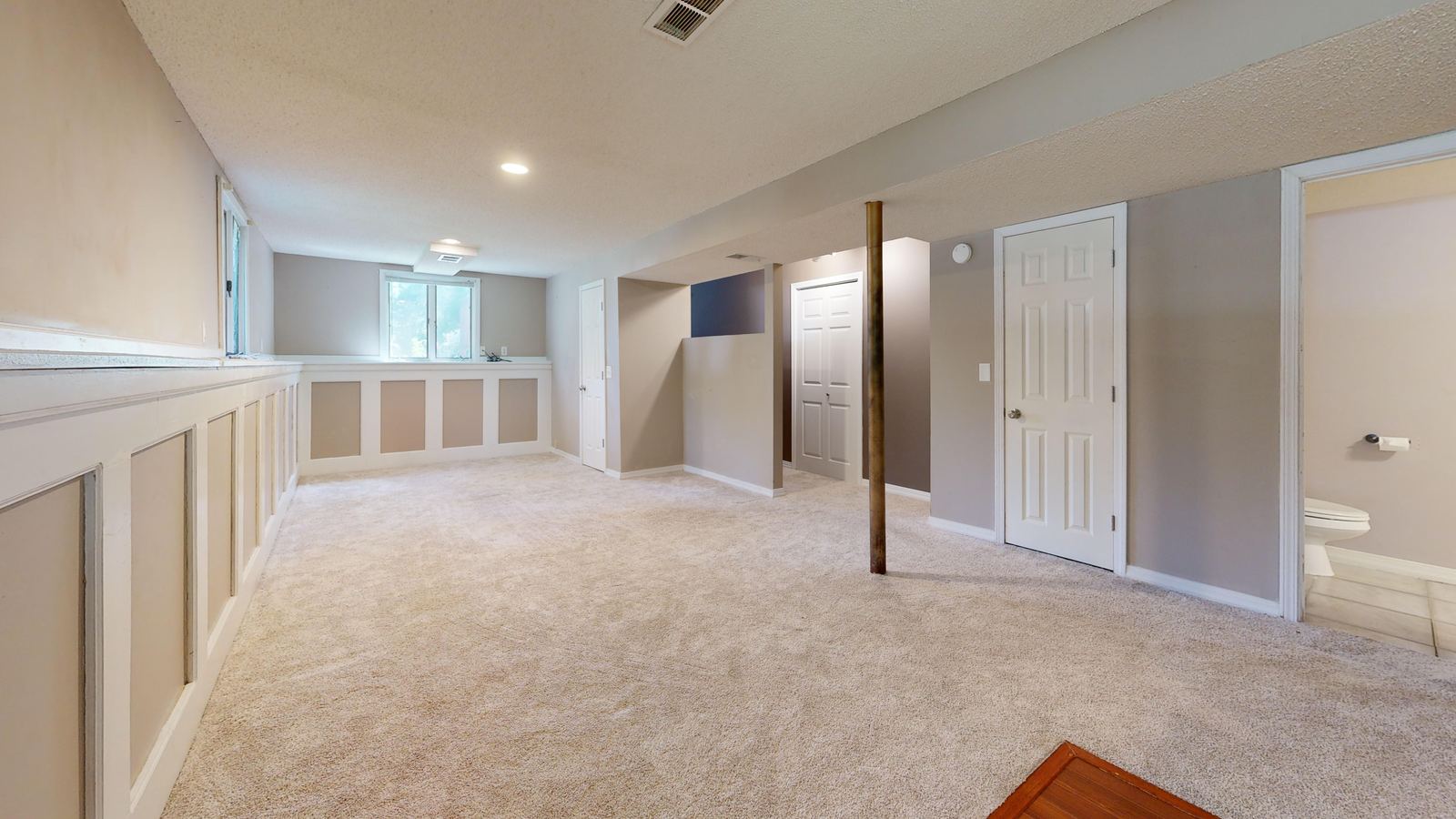
Home repairs you should make before selling a house in Brooklyn
Some problems cost you more left alone than fixed. These are the repairs to make before you put a home for sale in an older Brooklyn neighborhood.
Open Department of Buildings violations
This is the big one. The city is direct about it: “Open violations can prevent an owner from selling or refinancing.” Violations are public and show up in the buyer’s title search, so they cannot be hidden.
Look up your address in the Department of Buildings records before you list. If there is an open violation, find out what it takes to clear it. Some are paperwork. Some are not.
An illegal basement or cellar apartment
The city defines an illegal conversion as new living space built without its approval, and bedrooms in a cellar are its first example. Owners who skip the hearing on a violation can face default penalties as high as $25,000 per violation.
Outside expert, not affiliated with The Behfar Team
the violation is now yours to resolve, even though you did not build the apartment.
Michael Nacmias, Esq., a New York City property and code violation attorney, writing in May 2026 about what happens to a buyer who closes on a house with an illegal basement.
He is writing to buyers, which is exactly why it matters to you. An attorney for the other side who reads that will ask hard questions about a basement apartment. Answer them before the contract, not after.
Leaks, heat and safety hazards
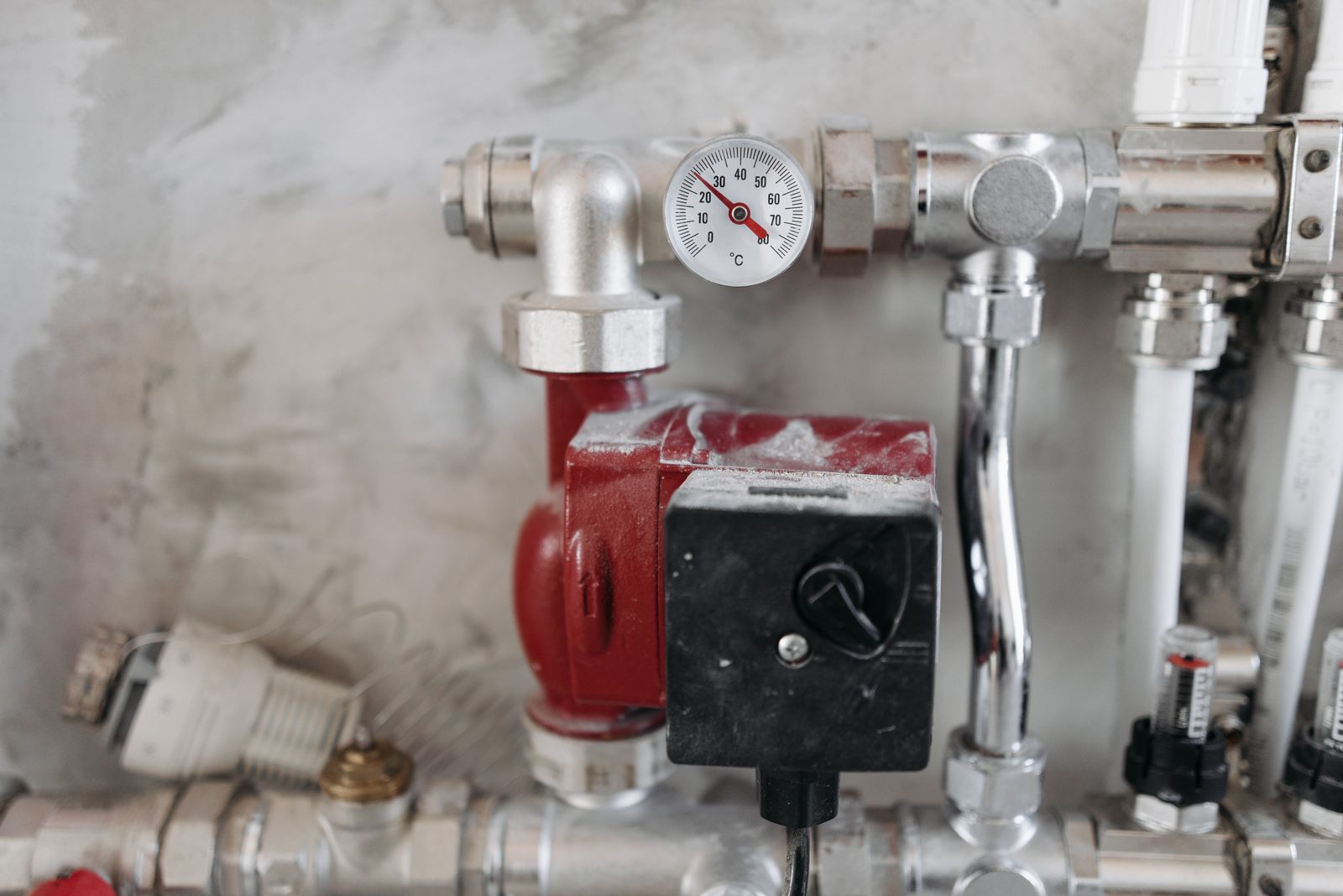
Fix an active leak, a heating system that does not work, a broken stair or a missing railing. A buyer’s inspector will find each of these, and a leak can get worse between contract and closing.
The sidewalk and the sewer line
Both belong to you in New York City. The city’s 311 guidance says owners are responsible for maintaining and repairing the sidewalk next to their property. The Department of Environmental Protection says owners are responsible for the water and sewer lines from the house out to the city’s mains in the street.
You don’t have to dig up a sewer line to sell. But if you know about a backup or a crack, that goes on the disclosure form.
What you must disclose when selling a house in New York
Disclosure is not optional any more. Under Chapter 484 of the Laws of 2023, New York removed the $500 credit that let sellers skip the disclosure form. Since March 20, 2024, the law says every seller of a home under a purchase contract must complete and sign it. The same law grew the form from 49 questions to 56, mostly about flooding.
The form asks what you actually know: about the roof, the water, the basement, the heating, flooding and more. The law makes a seller liable for a willful failure to do this, for the buyer’s actual damages on top of other remedies.
Outside expert, not affiliated with The Behfar Team
Most residential contracts have an “as is” clause. The buyer has a duty to use the means available to check the condition of the property. Buyers lose many cases when they fail to do so. Neither the “as is” nor the merger clause will generally protect the seller from a claim of fraud.
Karl Holtzschue, former chair of the New York State Bar Association’s Real Property Law Section and author of Holtzschue on Real Estate Contracts and Closings, speaking to the Bar Association in March 2024.
For a house built before 1978, there is also a federal rule. The seller must share any known information and reports about lead paint, give the buyer the federal lead pamphlet, include a lead warning statement in the contract, offer a 10-day chance to test, and keep the signed forms for three years. The rule does not require you to test or remove anything.
Fix, skip, disclose: the short rule for an older Brooklyn house
Fix
Active leaks, heat that does not work, safety hazards, open Department of Buildings violations.
Skip
Full remodels, new floors, a finished basement, upgrades chosen to your own taste.
Disclose
What you know about the roof, water, flooding, heating and basement, on the state form.
Cheap wins
Paint, a tired front door, and clearing out clutter before the photos.
Based on New York disclosure law, NYC Department of Buildings guidance and the 2025 Cost vs. Value report.
Fix, skip or disclose: an older Brooklyn house, item by item
| Item | What to do | Why |
|---|---|---|
| Open DOB violation | Fix or clear | The city says open violations can stop a sale, and they appear in the title search. |
| Cellar or basement apartment | Check its legal status, disclose | Unapproved living space is an illegal conversion; the next owner inherits the violation. |
| Active roof leak | Fix | Water damage spreads, and it will show up in the inspection. |
| Old roof, no leaks | Disclose the age, skip replacing | A new roof earned back about 58.3% of its cost in the regional estimate. |
| Heating that does not work | Fix | No heat is something a buyer cannot ignore, and the inspection will find it. |
| Old boiler that works | Service it, disclose its age | Buyers expect old equipment in an old house; surprises are what hurt. |
| Cracked sidewalk | Fix if it is a hazard | The owner is responsible, and the city can issue a violation. |
| Known sewer line problem | Disclose, or fix | The owner is responsible for the line to the city main. |
| Dated kitchen | Refresh, don’t gut | A minor kitchen remodel came back at 107.2%; a full one rarely fits the next owner. |
| Front door | Replace if it is tired | A steel entry door came back at 219.8% of its cost in the same report. |
| Walls | Paint | 50% of Realtors in NAR’s survey recommend painting the whole home before selling. |
| Clutter and personal decor | Pack it up | It costs nothing, and it is the top advice in the Reddit thread below. |
Cost recouped figures: JLC and Zonda, 2025 Cost vs. Value report, Middle Atlantic region. They are Realtor estimates of added sale value, not measured Brooklyn sale prices. Realtor recommendations: NAR 2025 Remodeling Impact Report, 4,005 member responses, national.
Small repairs worth the investment, and how to avoid unnecessary repairs
Most money wasted while preparing your home for sale goes to home improvements nobody asked for. Before you fix every flaw, ask one question about each item: will it change the value of your home, or only how it looks to you?
- Worth the investment: a fresh coat of neutral paint, new caulk around the tub, light switches and fixtures in working order, a front door that closes properly. Small repairs like these keep a house clean and in good working order without spending much time or money.
- Usually not worth it: kitchen remodels, new floors throughout, replacing appliances that work. These are larger repairs or upgrades without a high return on investment at sale.
- Cosmetic flaws to leave: small cracks in old plaster, worn stair treads, dated tile. A home buyer touring a hundred-year-old house expects them, and buyers may want to choose their own finishes anyway.
Local market conditions matter too. When houses near you are selling quickly, a house in good condition with fresh paint can sell as it is. When the local market slows, a few small fixes can help a home sell faster. If you’re considering selling your home, an agent who knows what sold on your block this year can tell you which repairs to avoid and which ones add value to your home, and that can save you time.
Curb appeal and first impressions: the cheap fixes that do pay
The first impression starts on the sidewalk. Before you list, mow or tidy the front yard, sweep the stoop, fix a broken porch light, wash the windows and replace a tired mailbox or house numbers. None of this is a renovation, and all of it shows in the listing photos.
Inside, preparing to sell your home is mostly about less, not more. Clear the counters, take down family photos, and fix the small things that make people wonder what else was missed: a dripping faucet, a loose handle, a door that sticks.
Clear it out
When a seller on r/RealEstate asked whether to stage after the agent told them to remove almost everything, the thread ran to 533 comments. The most upvoted reply was four words long.
From the thread
Your decor is clutter.
Top reply on r/RealEstate, July 2026. Another seller added: “I still lived in my home but got a storage unit and had 90% of my stuff gone.”
In NAR’s 2025 survey, Realtors ranked painting the entire home first among projects to do before selling, at 50%, ahead of painting one room at 41% and new roofing at 37%. Paint and a clear room cost far less than any remodel.
Where The Behfar Team fits
Before a house lists, we tell you plainly what we would fix, what we would leave, and what you should be ready to disclose. We sell older houses in Midwood, Madison and Marine Park every year, so we know what buyers there ask about.
Ask your real estate agent to walk the house with you before you spend anything; a homeowner who asks first rarely regrets it. We don’t do repairs or staging ourselves. When a job does need doing, we can refer you to people we trust for repairs, cleaning, staging and moving. Every listing then gets professional photos, a floor plan and a 3D tour. When you are ready to sell, here is how we sell a Brooklyn house, start to finish.
Questions sellers ask about repairs before selling
What should you not fix when selling a house?
Big cosmetic jobs you would choose to your own taste: a full kitchen or bath renovation, new floors, new appliances, a finished basement, landscaping. In the 2025 regional estimate, a basement remodel earned back 63.4% of its cost and a new roof 58.3%.
Do I have to fix things before selling your home in New York?
No law makes you repair a house before you sell it. But open Department of Buildings violations can stop a sale, and you must disclose what you know about the house’s condition on the state form.
Do I have to fill out a property disclosure form in New York?
Yes, in a normal sale. Since March 20, 2024, sellers can no longer give the buyer a $500 credit instead of the form. That change came from Chapter 484 of the Laws of 2023.
Should I replace an old roof before selling?
Usually not, if it is not leaking. Disclose its age and let the buyer price it. A new asphalt roof cost $37,201 in the Middle Atlantic region in the 2025 Cost vs. Value report, with $21,680 estimated back at resale.
Can I sell a house with open DOB violations?
It is hard. The Department of Buildings says open violations can prevent an owner from selling or refinancing, and they show up in a title search. Clear them, or price and disclose them with your attorney’s help.
Do I need a lead paint disclosure in Brooklyn?
Yes, for any house built before 1978. Every one to three family house sold in Midwood, Madison and Marine Park this year was built before then. You must share what you know, give the federal pamphlet and offer a 10-day chance to test.
Sources
- NYC Department of Finance, rolling sales, Brooklyn, file dated October 13, 2026: year built of one to three family houses sold January 1 to September 30, 2026, at $100,000 or more.
- New York State Bar Association, PCDA amended: $500 seller credit deleted and new rules go into effect; New York Real Property Law section 462 and section 465.
- US EPA, selling target housing.
- NYC Department of Buildings, Violation issued and Illegally altered property; NYC DEP, Service Line Protection Program; NYC 311, Sidewalk violation and repair.
- JLC and Zonda, Cost vs. Value, Middle Atlantic; National Association of Realtors, Remodeling Impact Report.
From The Behfar Team
We work from our office at 1524 East 23rd Street in Midwood and have closed 494 buyer and seller transactions. Our 145 Google reviews average 4.9 stars, and our agents speak six languages.
Not sure what to fix? Ask before you spend
We will tell you what your house is worth as it stands today, and which repairs would actually change that number. You can also call the office at 347-988-2526.
Rules here come from New York State law, the New York State Bar Association, the US EPA and New York City agencies. This is general information, not legal advice. Talk to your attorney about your own house.