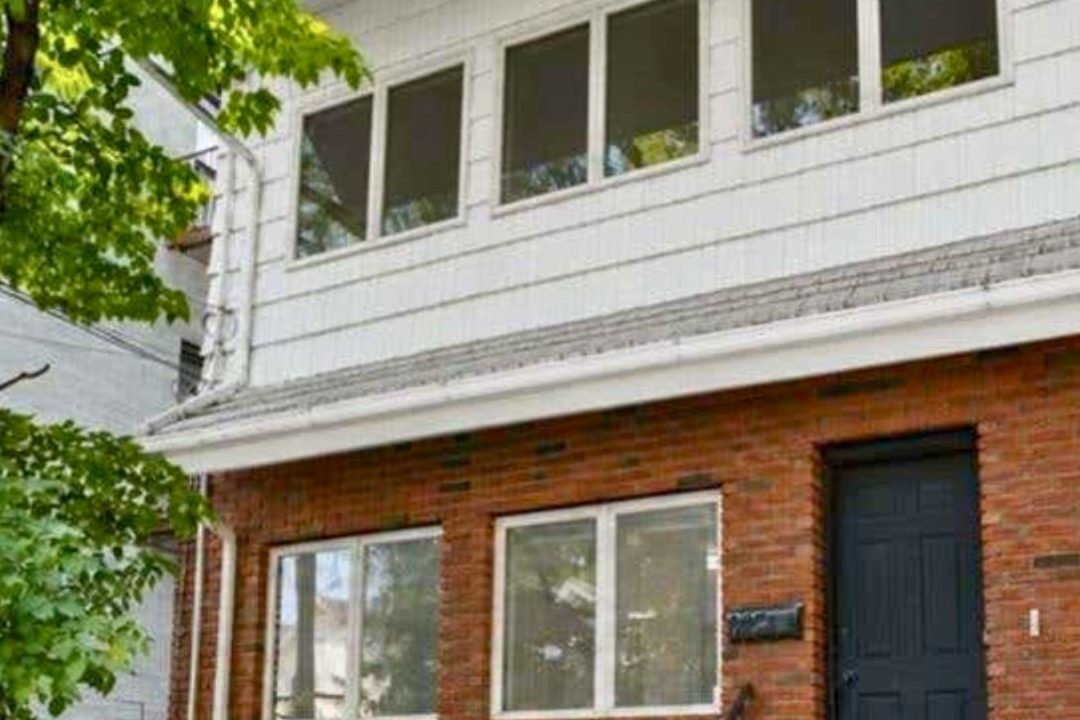
In Midwood a co-op costs far less than a house: the middle co-op sold for $320,000 in the last 12 months, the middle house for $1,385,000.
A co-op fits a smaller budget but comes with a board to pass and monthly maintenance. A house costs about 4.3 times as much and gives you the land, the space and the say.
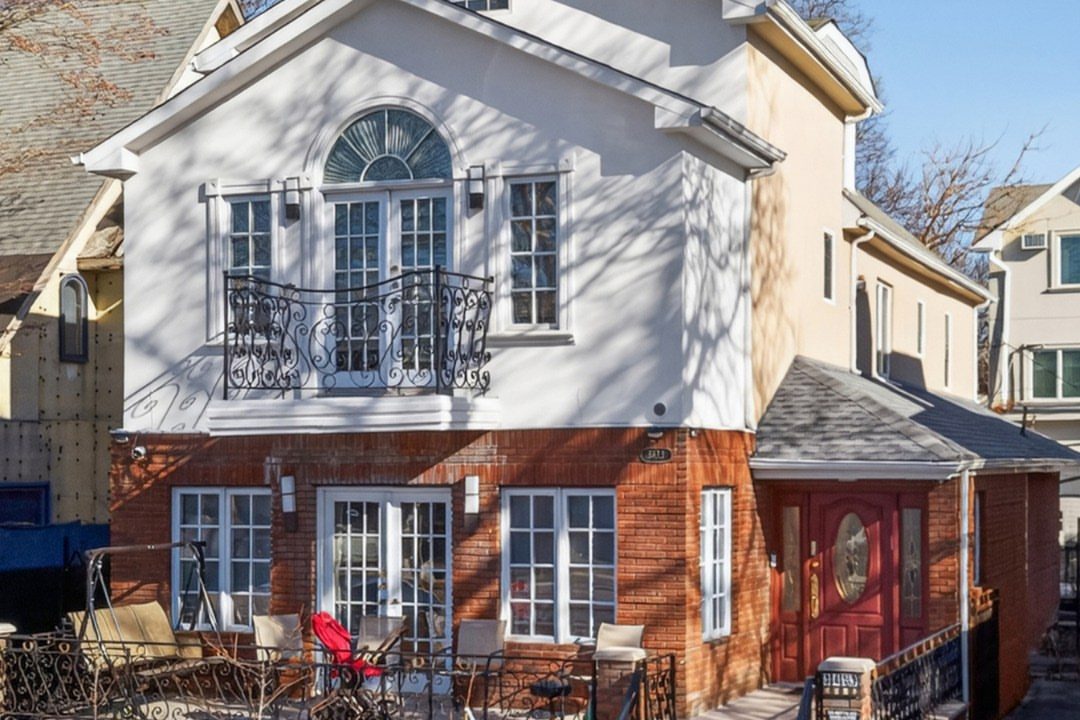
A Midwood house our team listed. Photo: The Behfar Team.
The short version
- Co-ops: 67 sales, middle price $320,000. Half sold between $235K and $428K.
- Houses: 137 sales, middle price $1,385,000. Half sold between $1.05M and $1.75M.
- Condos sit in between: 24 sales, middle price $616,000.
- A co-op wants cash: often 20% down, plus savings left after closing.
- A Midwood house is usually old. Inspect the roof, boiler, wiring and sewer line, and check the paperwork.
On this page
House or co-op in Midwood: which fits you?
| What matters to you | Co-op | House |
|---|---|---|
| Price to get in | Middle sale $320,000 | Middle sale $1,385,000 |
| Who approves you | The bank and the co-op board | The bank |
| Monthly costs | Mortgage plus maintenance to the building | Mortgage, property tax, insurance and every repair |
| Space | An apartment | Rooms on several floors, often a yard or a driveway |
| Renting it out | Only if the board allows it | Your call, within the legal use of the house |
A co-op suits a buyer who wants a lower price and the building to handle repairs. A house suits a buyer who needs more space, or wants a two family home with rent coming in.
What homes in Midwood cost in 2026
These are recorded sales, not asking prices, from November 2025 to October 2026.
Midwood: middle sale price by type of home
Median recorded sale price in the last 12 months.
NYC Department of Finance rolling sales, Brooklyn, recorded sales November 1, 2025 to October 30, 2026, $100,000 or more, package deals counted once. Houses are one to three family homes.
| Type of home | Sales | Middle price | Middle half sold for |
|---|---|---|---|
| One family house | 96 | $1,347,500 | $999K to $1.76M |
| Two family house | 33 | $1,385,000 | $1.17M to $1.75M |
| Condo | 24 | $616,000 | $462K to $714K |
| Co-op apartment | 67 | $320,000 | $235K to $428K |
NYC Department of Finance rolling sales, Brooklyn, Midwood, recorded sales November 2025 to October 2026, $100,000 or more, package deals counted once. Data as of November 10, 2026.
How a co-op board works in Midwood
Buying a co-op means buying shares in the building, so the board decides who gets in. Your bank’s approval is not enough.
How a Midwood co-op purchase runs
Accepted offer
You agree a price. Your attorney reviews the contract and the building’s records.
Loan approval
Your lender approves the loan. The lender and the board both look at your debts and savings.
Board package
You send the building your finances and every document it asks for.
Interview and decision
Under a 2026 city law, most boards must decide within 45 days of a complete application.
Closing
Once the board says yes, you close with your attorney and lender.
General order of steps. Each building sets its own rules. Deadline: NYC Local Law 2026/058, as summarized by co-op attorneys Gallet Dreyer and Berkey.
- New deadlines: for applications from July 28, 2026, a city law gives boards 45 days to decide once your application is complete. The city can fine boards that miss it, starting at $1,000.
- Small buildings are left out: co-ops with fewer than 10 apartments do not have to follow the deadline.
- No reason required: a board can still turn you down without saying why.
- Board calendars: as one co-op buyer on Reddit put it, “A lot of boards only meet once a month.” Ask when the next meeting is.
Outside expert, not affiliated with The Behfar Team
when somebody purchases into a co-op, their ability and willingness to pay their share on time impacts everybody else in the co-op.
Rebecca Poole, executive director, Council of New York Cooperatives and Condominiums, to NY1.
Co-op money rules to plan for
Each building sets its own numbers and rarely publishes them. Ask the listing agent before you bid.
- Down payment: StreetEasy’s rule of thumb is that co-ops require at least 20% down.
- Debt to income: many boards look for debts of around 28% of income or less.
- Savings after closing: brokers told StreetEasy that “having two years’ worth of maintenance fees, mortgage, and other debt service obligation payments after you close is relatively standard.”
- Flip tax: a transfer fee some buildings charge on a sale. It is most often paid by the seller, but check the contract.
On the middle Midwood co-op at $320,000, 20% down is $64,000.
What to check on a Midwood house before you bid
A house needs only your lender’s approval. As one licensed StreetEasy agent put it, “The closing process for standalone houses or townhouses does not involve board approval, simplifying the process compared to co-ops.”
The trade-off is age. The median Midwood building was built in 1941, according to PropertyShark, so look past the finishes.
- Roof, boiler and wiring: ask the age of each and have the inspector confirm it.
- Sewer line: have the pipe to the street checked with a camera before you sign.
- Certificate of occupancy: it says whether the house is legally one or two family. A basement apartment that is not on it is a problem for your lender.
- Open permits and violations: your attorney checks the city’s records before you sign.
- Landmark district: the city’s Landmarks Preservation Commission says “Most exterior changes to the front and rear facades of buildings in historic districts require review by LPC.”
Where the houses and co-ops are
PropertyShark counts 6,618 one family homes in Midwood. Near Midwood’s northern edge, the Fiske Terrace-Midwood Park Historic District is made up of suburban houses, most built by 1914.
Co-ops are in apartment buildings on the larger avenues and parkways. Ask about the building, not only the apartment: its finances, its rules and its plans for repairs.
Which side of the building matters too. A Reddit user who answered a couple buying on Ocean Parkway wrote: “An apartment facing OP is pretty loud if that bothers you.” (OP is Ocean Parkway.)
Where The Behfar Team fits
Midwood is our home base. Our office is on East 23rd Street, and Karen and Aharon Behfar’s team works with buyers here in English, Hebrew and several other languages.
We help buyers compare a co-op and a house on real numbers, and ask each building for its rules before the bid. See how we work in Midwood or browse Midwood homes for sale.
Questions buyers ask about Midwood
How much is a house in Midwood, Brooklyn?
The middle house sale in the last 12 months was $1,385,000. One family houses sold for a middle price of $1,347,500.
How much is a co-op in Midwood?
The middle co-op sale was $320,000. Half sold between $235K and $428K.
Is it better to buy a co-op or a house in Brooklyn?
A co-op costs less to buy but needs board approval and monthly maintenance. A house costs more and makes you responsible for every repair, but it is fully yours.
How much do I need down for a co-op?
StreetEasy’s rule of thumb is at least 20%. Each board sets its own rule, so ask before you bid.
How long does a co-op board take to decide?
For applications from July 28, 2026, most boards must decide within 45 days of a complete application. Buildings with fewer than 10 apartments are left out.
Sources
- NYC Department of Finance, rolling sales, Brooklyn, data as of November 10, 2026.
- StreetEasy, co-ops vs condos, post-closing liquidity, closing by home type and flip tax.
- Gallet Dreyer and Berkey, The Cooperative Application Timeline Law; NY1, new law sets deadlines for co-op applications.
- PropertyShark, Midwood market trends; Historic Districts Council, Fiske Terrace-Midwood Park; NYC Landmarks Preservation Commission, permits and making alterations.
From The Behfar Team
We work from our office at 1524 East 23rd Street in Midwood and have closed 494 buyer and seller transactions. Our 142 Google reviews average 4.9 stars, and our agents speak six languages.
Deciding between a co-op and a house?
Tell us your budget. We will show you what each buys in Midwood right now. You can also call the office at 347-988-2526.
This is general information, not legal or financial advice. Have your own attorney review any contract and co-op documents before you sign.